Soul-Driven Healthcare Investing | General Catalyst CEO Hemant Taneja
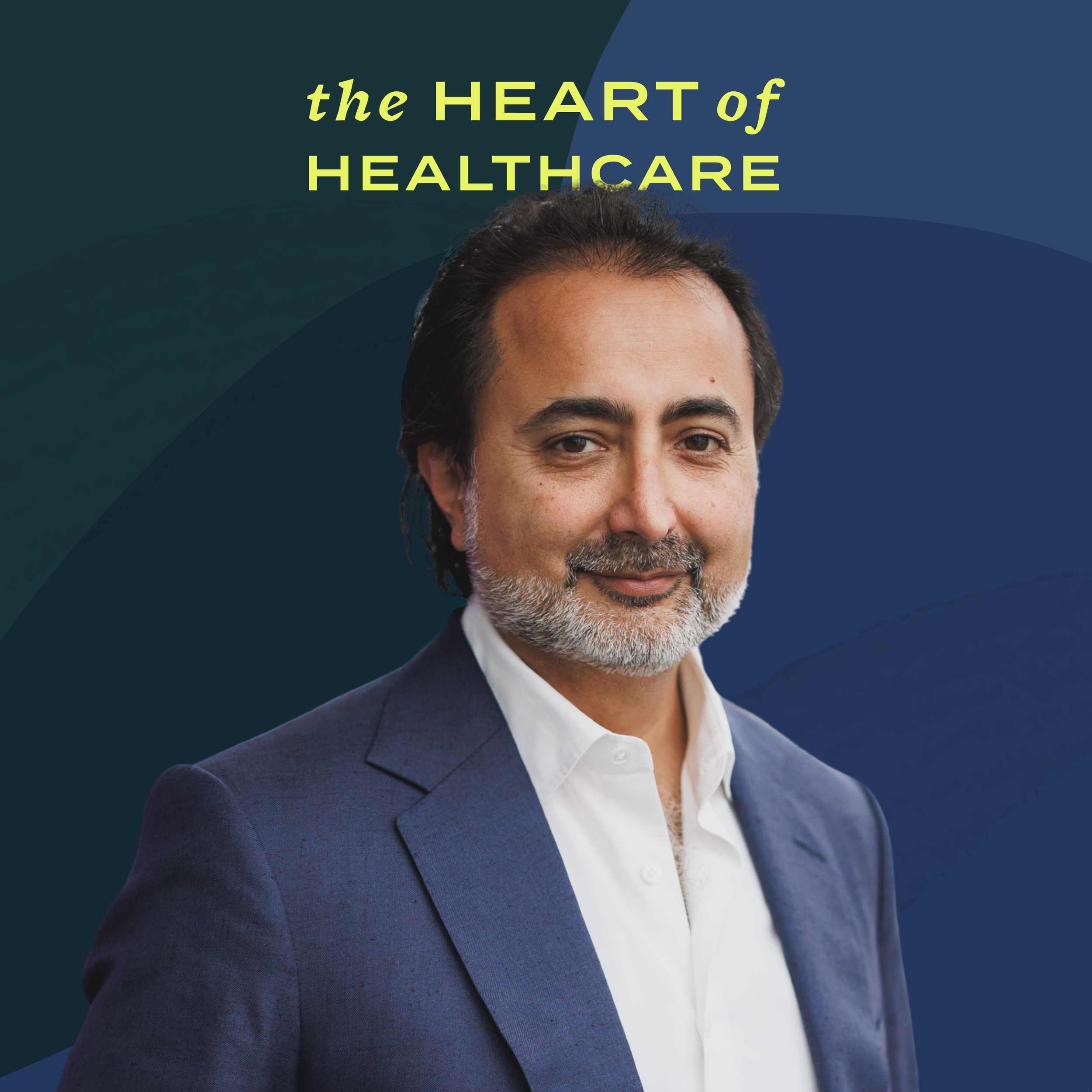
Hemant Taneja believes you can sneeze and reach a billion dollars in healthcare revenue, but that most of that revenue tells you nothing about whether the system is actually getting better.
This week, Halle sits down with the CEO of General Catalyst and author of The Transformation Principles, to talk about what happens when you stop treating revenue as the main KPI and start asking harder questions about impact, incentives, and system change. They get into his “health assurance” thesis, what it means for a VC firm to buy a hospital, why “profit-only” capitalism has run its course, and how AI and new payment models could finally bend the cost curve instead of just inflating it.
We cover:
🏥 How Hemant began investing in healthcare and his “health assurance” thesis
📉 Why profit‑only capitalism has run its course and what should replace it
💳 The “work tax” in healthcare payments and how AI could free up resources for prevention
🤖 Whether AI in healthcare is a bubble or a durable transformation
🏥 Why General Catalyst bought a hospital and how they plan to use it as a hub for innovation
—
About our guest:
Hemant Taneja is the CEO of General Catalyst, and a founder, investor, and author of four books, including The Transformation Principles. His worldview centers on strengthening global resilience through applied AI and partnerships that modernize critical systems. Hemant is an early investor in the leading technology companies of our time including Anduril, Anthropic, Applied Intuition, GitLab (NASDAQ: GTLB), Grammarly, Gusto, Ro, Samsara (NYSE: IOT), Snap (NYSE: SNAP), and Stripe. He is also deeply involved in transforming the US healthcare system, having founded companies like Commure, Hippocratic, Transcarent, Livongo (Sold to Teladoc for $18.5B) and General Catalyst's Health Assurance Transformation Company (HATCo) which helps health systems transform themselves with AI. A global expert on industry transformation, he has led General Catalyst's foray into transforming healthcare, energy, and workforce systems globally. He holds five degrees from MIT.
—
Listen:
