Building A Healthcare Unicorn In Three Years | Assort Health Founders Jeff Liu and Jon Wang
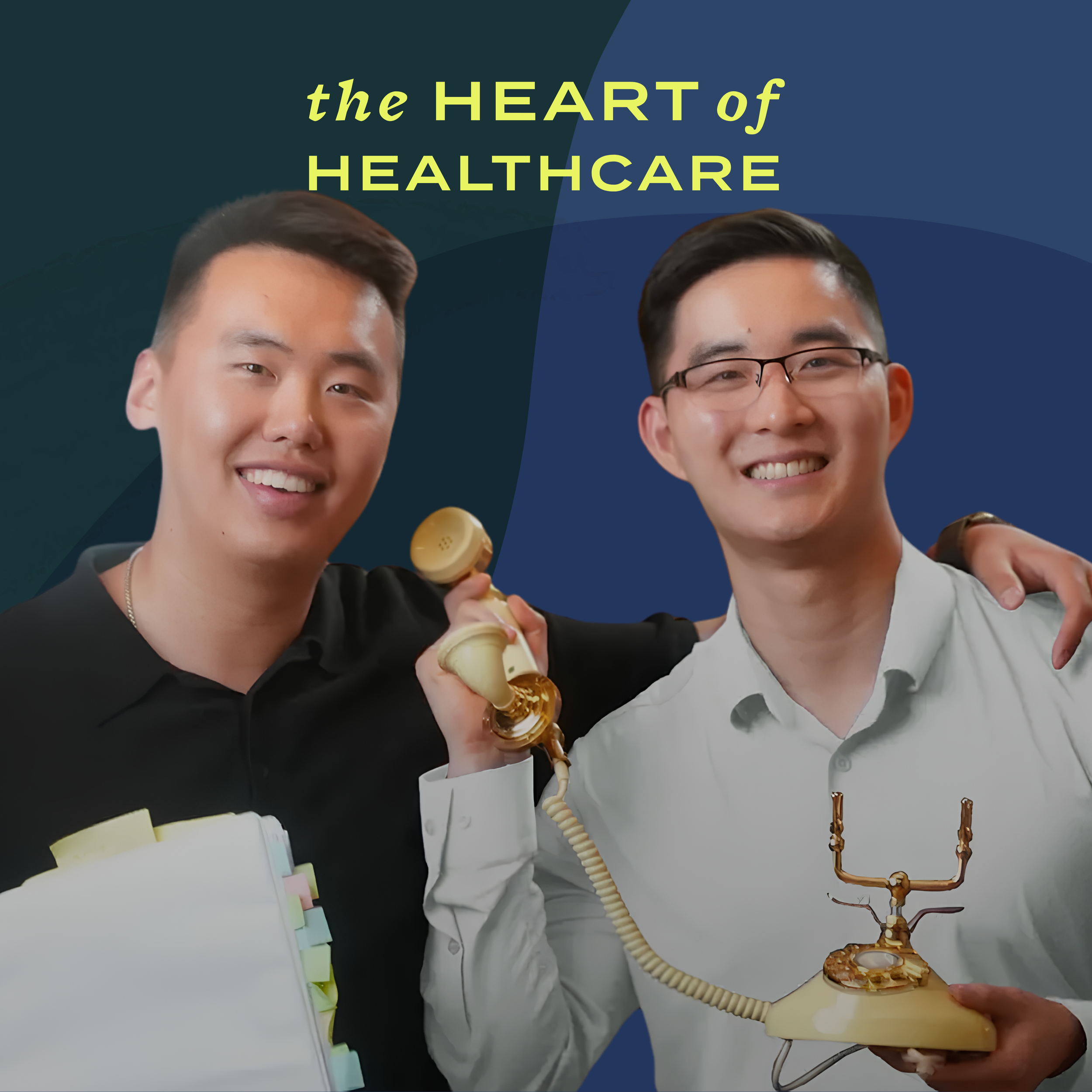
They built a $1.2 billion healthcare AI company in under three years, but they say the hardest part of healthcare AI isn't the AI.
This week, Halle sits down with Assort Health co-founders and co-CEOs Jeffery Liu and Jon Wang, whose company reached a $1.2 billion valuation in under three years. They discuss why building great healthcare AI takes far more than good models, how they scaled from 15 employees to nearly 250 in a year, and what they've learned from more than 190 million patient interactions. They also share why voice AI is harder than it looks, how they're thinking about building durable moats in the age of foundation models, and why helping patients navigate the healthcare system may be one of AI's biggest opportunities.
Healthcare’s Oppenheimer Moment | Eric Larsen
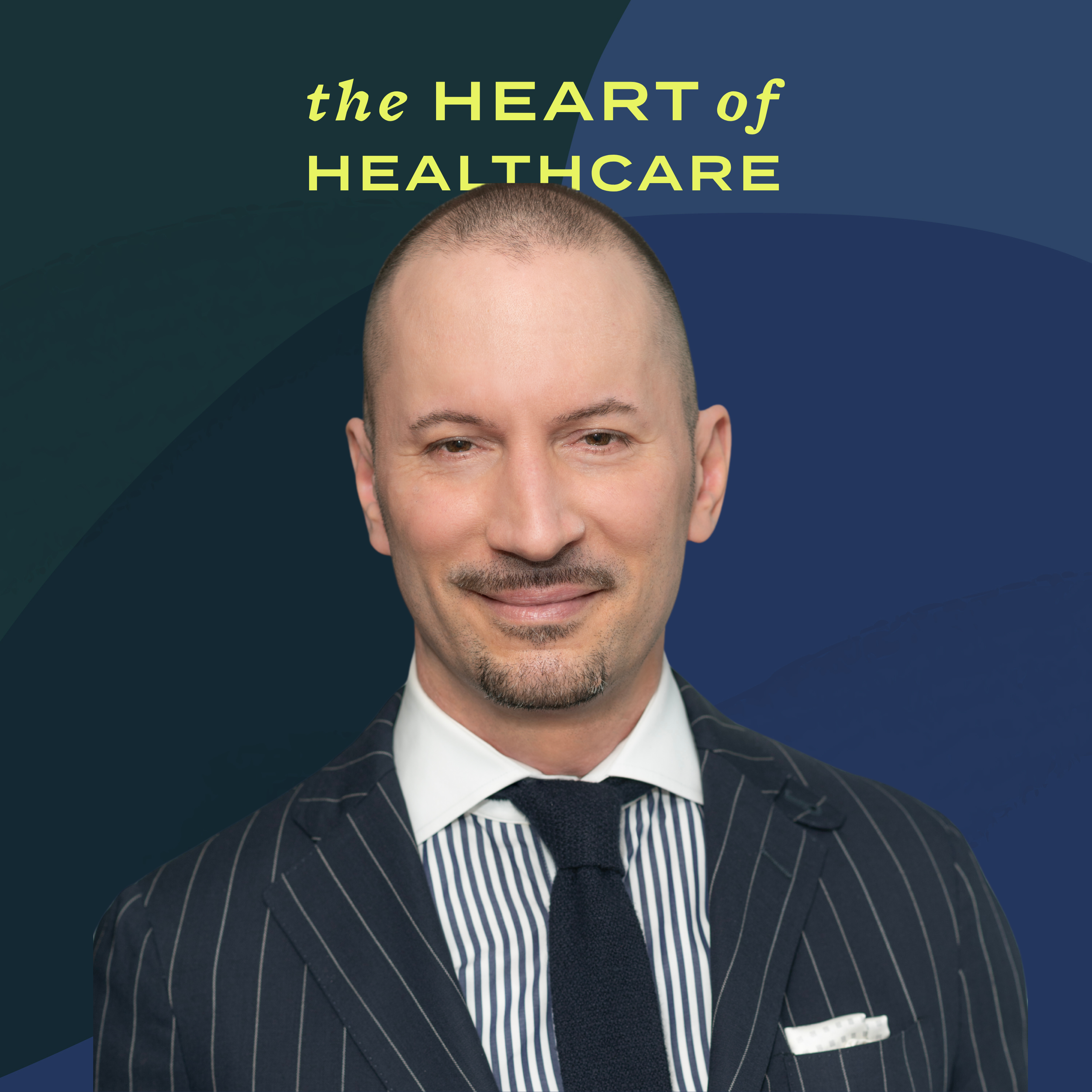
Back by popular demand, 3x Heart of Healthcare guest Eric Larsen joins Steve to answer listener questions on healthcare's AI revolution. Drawing on the ideas behind his latest essay, Healthcare's Oppenheimer Moment, Eric argues that healthcare may be approaching a once-in-a-generation inflection point, and discusses what leaders need to understand before it's too late.
What Healthcare Can Learn From Waymo | Qualified Health CEO Dr. Justin Norden
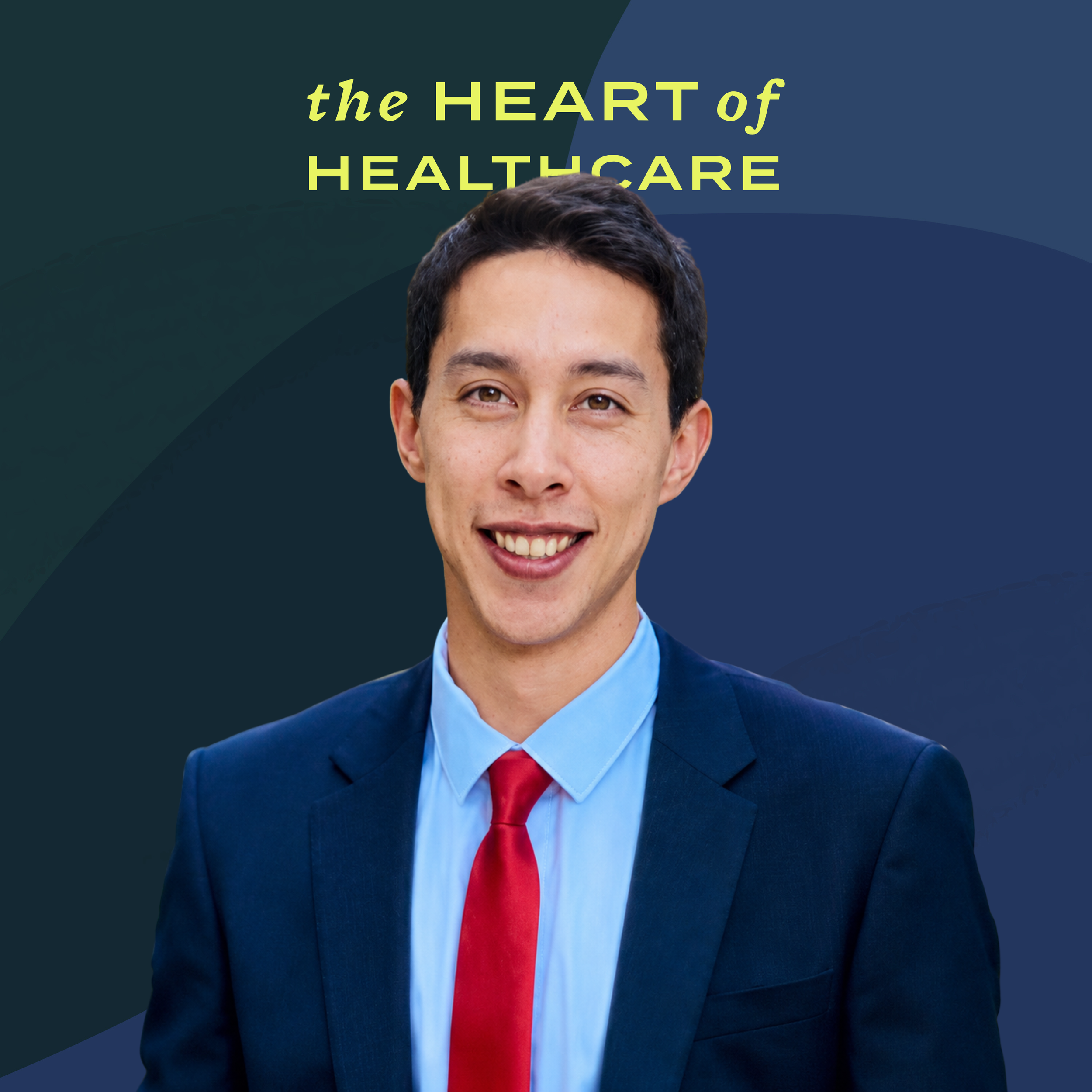
Autonomous vehicles may be the closest real-world example of AI operating in life-and-death situations at scale. Justin Norden believes healthcare has a lot to learn from how that industry approached safety, testing, adoption, and trust.
This week, Michael and Halle sit down with the founder and CEO of Qualified Health, fresh off the company’s $125 million Series B, to discuss why healthcare organizations need to think differently about deploying AI. Justin shares how his experience at Stanford, Apple, Waymo, and in healthcare investing shaped his view that health systems need AI infrastructure, governance, and workforce buy-in, not just another point solution.
How AI Will Finally Make Healthcare Deflationary
AI in healthcare may be entering a new chapter, one where the biggest question is no longer whether the technology works, but who is willing to deploy it, measure it, and take responsibility for the risk.
This week, Steve sits down again with Eric Larsen to revisit his predictions from last year’s Webby-winning episode on generative AI in healthcare. Eric argues that the first wave of AI has been inflationary, reinforcing the old payer-provider payment model, but that the next wave could be deflationary as automation moves into revenue cycle, administrative work, clinical reasoning, and drug development. They discuss why incumbents still have a narrow window to co-develop the future, why clinical AI may move faster outside the US, and why liability may become the deciding factor in who wins.
What It Takes To Scale Care With AI | Akido Labs CEO Prashant Samant
Medicaid reimbursements are shrinking, providers are pulling back, and vulnerable populations are losing access to care. Akido Labs is betting that AI can expand care capacity fast enough to reverse that trend.
This week, Halle sits down with Prashant Samant, co-founder and CEO of Akido Labs, to discuss what it actually takes to scale care with AI. They explore why Akido built a full-stack healthcare company, how its AI operates inside real clinical workflows, and why the hardest patients are the best place to test whether this model works.
Is ChatGPT Now The World's Largest Health App? | OpenAI VP of Health, Nate Gross
Forty million people use ChatGPT for health-related questions every day, making it one of the most widely used tools for health information in the world. So what is their team doing to maximize impact and minimize harm?
In this full circle episode, Halle Tecco sits down with her Rock Health co-founder Nate Gross, who also co-founded Doximity (DOCS) and is now VP of Health at OpenAI. They discuss the astonishing speed of AI progress, how models are trained for safety and accuracy, and what this technological evolution means for every part of the healthcare system.
Building a Health System for “Customers” | Baylor Scott & White Health CEO Pete McCanna
Pete McCanna, CEO of Baylor Scott & White Health, believes that health systems are built around the wrong objective… and he has an ambitious goal to change that.
This week, Halle sits down with McCanna to unpack how one of the largest and most successful health systems in the country is shifting from a supply-driven model to one built entirely around the customer. They discuss why legacy systems operate like “walled castles,” what it takes to redesign care around real conditions instead of departments, and how Baylor Scott & White is testing a model that prioritizes access, personalization, and long-term trust over short-term profit.
Precision Medicine Is (Almost) Here | Tempus AI CEO Eric Lefkosky
When Eric Lefkofsky’s wife was diagnosed with breast cancer, it exposed how little technology and data were shaping cancer care, pushing the serial entrepreneur to build a different model.
Lefkofsky is the founder and CEO of Tempus, now a $10B publicy traded health tech company, and previously founded Groupon. At Tempus, he’s building a tech-first company applying multimodal data and AI to make diagnostics smarter and treatment decisions more tailored, starting in oncology and expanding across disease areas.

How a Small Team Built the Fastest-Growing Clinician App Ever | OpenEvidence Co-founder Zack Ziegler
On the heels of raising $210 million at a $3.5 billion valuation, OpenEvidence is the fastest-growing physician app in history, now reaching over 40% of U.S. physicians and powers 17 million monthly clinical queries.

Inside the Rise of AI Agents | Sierra Co-founder Clay Bavor
Most people spend over 30 hours a year dealing with customer service—on hold, repeating account numbers, and navigating endless phone trees. But what if AI could fix that without losing the human touch?

Dissecting the BVP State of AI Report 2025 and What it Means for Healthcare
AI companies are hitting growth milestones in record time—some reaching $100 million in revenue in just two years. But while this pace feels familiar in tech, healthcare has always been slower to adopt new tools. That may finally be changing.

Healthcare Consumers Are Waking Up | Collective Health CEO Ali Diab
Healthcare costs keep climbing, and yet patients and employers often feel powerless to change the system. What if outsiders—those not steeped in the traditions of healthcare—are actually the ones best positioned to fix it?

The Reason Hospital Software Fails | Commure CEO Tanay Tandon
Hospitals are under immense pressure: burned-out clinicians, outdated systems, and rising costs have made delivering care harder than ever.

Intractable Healthcare Problems Might Finally Be Solvable | Solv Co-founder & CEO Heather Fernandez
Three simple questions plague every American seeking healthcare: Where should I go? When can I be seen? And how much will it cost me? Despite seeming basic, these questions have remained largely unanswerable—until now.

Special Episode: Digital Health's Evidence Problem
Most medical care is backed by varying types of evidence—yet we apply higher standards to digital health tools before they’re trusted, adopted, or reimbursed.

Do We Really Need Healthcare Superintelligence? | Color Co-founder & CEO Othman Laraki
Most AI in healthcare promises superintelligence—but what if that’s the wrong goal entirely?

A New Era at Optum | Optum CEO Dr. Patrick Conway
Over 160 million Americans are served by Optum, yet many still don’t fully understand what it actually does—or why it matters.